
Getting arrested for assault is one of those situations where the decisions you make in the first 24 to 48 hours can shape everything that follows. Whether the arrest came out of nowhere or you saw it coming, the moment you are in custody is not the time to figure out your next move on your own.
This guide walks you through exactly what happens after an assault arrest, what your legal rights are, and why having experienced assault lawyers in your corner from the very beginning is the most important call you can make.
What Assault Charges Actually Mean
Assault is one of the most misunderstood criminal charges. A lot of people assume it always involves physical contact, but in many states, assault can be charged simply for making someone reasonably fear that harm is coming their way. The definitions vary by state, and the severity of the charge depends on the circumstances.
Simple Assault
Simple assault is typically a misdemeanour charge involving minor threats or physical contact without serious injury. It sounds less serious, but a misdemeanour conviction still goes on your record and can affect employment, housing, and professional licensing. Assault lawyers handle these cases regularly and know how to push for dismissals, reduced charges, or diversion programs that keep your record clean.
Aggravated Assault
Aggravated assault is a felony-level charge. It typically involves a weapon, serious bodily injury, or assault against a protected class of person such as a law enforcement officer or a minor. Felony charges carry serious prison time, heavy fines, and long-term consequences that follow you well beyond the sentence itself. This is not a situation to navigate without lawyers for assault charges who handle felony cases.
Assault and Battery
Some states charge assault and battery together. Battery refers specifically to unlawful physical contact while assault covers the threat or attempt. When both charges are filed, the case becomes more complex and the potential penalties stack. Experienced assault lawyers understand how prosecutors build these cases and where the holes are.
Your Rights After an Assault Arrest
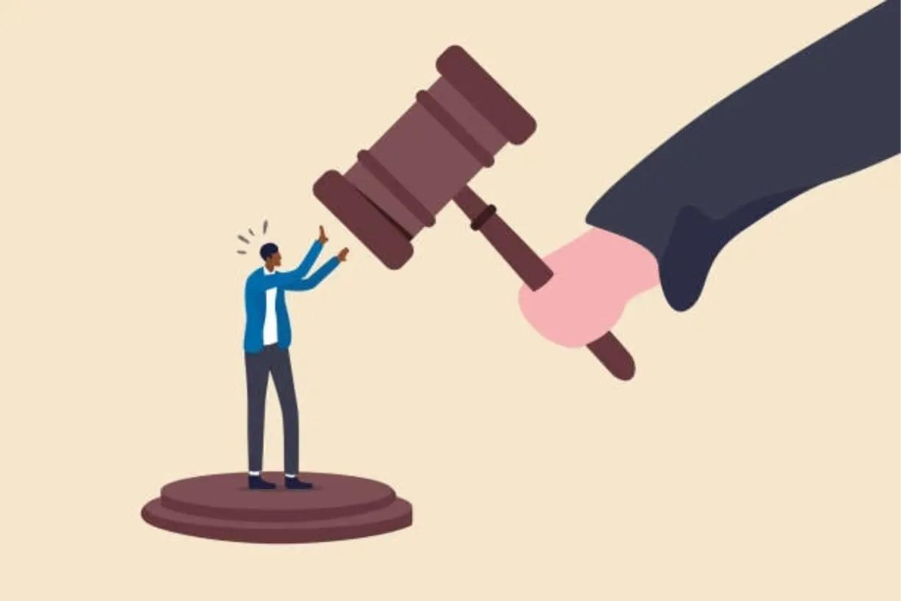
Knowing your rights is not just something you hear on TV. It is practical, critical information that protects you from the moment you are taken into custody.
The Right to Remain Silent
You do not have to answer questions beyond providing your basic identifying information. Anything you say to law enforcement can and will be used against you. The instinct to explain yourself or tell your side of the story immediately is understandable but it almost always creates problems. Stay quiet and wait for your attorney.
The Right to an Attorney
You have the right to legal representation before and during any questioning. If you cannot afford a private attorney, a public defender will be appointed. However, public defenders carry heavy caseloads and often have limited time per client. If your situation allows, working with private lawyers for assault charges gives you more focused attention and a stronger defence strategy from day one.
The Right to Know the Charges Against You
You are entitled to be informed of the charges being brought against you. At arraignment, the charges are formally read, and you enter a plea. Having assault lawyers present at arraignment matters because the initial plea and bail arguments set the tone for everything that follows.
What Happens After the Arrest
The process moves faster than most people expect. Understanding the timeline helps you and your attorney stay ahead of it.
Booking and Processing
After arresting you are taken to a police station or detention facility for booking. This includes fingerprinting, photographs, and a search of your belongings. You may be held in custody or released depending on the nature of the charges and your prior record.
Arraignment and Bail
Arraignment typically happens within 24 to 72 hours of arrest. This is where charges are formally presented and a bail amount is set. A skilled attorney can argue for reduced bail or release on your own recognizance by presenting evidence of community ties, employment history, and low flight risk. Lawyers for assault charges who know the local court system understand what arguments move the needle with specific judges.
Pre-Trial Phase
Before trial, both sides exchange evidence through discovery. Your attorney files motions, challenges evidence, and works to have charges reduced or dismissed where possible. A large percentage of assault cases are resolved at this stage through negotiated plea agreements, especially when assault lawyers identify procedural errors or weaknesses in the prosecution’s case.
Trial
If the case goes to trial, your attorney presents your defence before a judge or jury. This includes cross-examining prosecution witnesses, presenting your own evidence, and making legal arguments about the sufficiency of the charges. Trial outcomes depend heavily on preparation, and preparation starts on day one with the right legal team.
Common Defences Used in Assault Cases
Every assault case has its own facts and context. Good lawyers for assault charges do not use one-size-fits-all strategies. They build a defence around what happened.
Self Defence
If you acted to protect yourself or someone else from immediate harm, self-defence is one of the most common and effective defences in assault cases. The key questions are whether the threat was real, whether your response was proportionate, and whether you had a reasonable option to retreat depending on your state’s laws.
Lack of Intent
Many assault charges require the prosecution to prove intentional conduct. If the contact was accidental or the situation was misunderstood, demonstrating lack of intent can be a viable path. This is especially relevant in cases where the incident occurred in a chaotic or ambiguous environment.
False Accusations
Unfortunately, false assault accusations happen. They occur in contentious divorces, custody disputes, workplace conflicts, and personal vendettas. A thorough investigation by experienced assault lawyers can uncover inconsistencies, contradictory evidence, and credibility issues in the accuser’s account that make a significant difference in how a case resolves.
Why ND Criminal Defence Makes Finding the Right Assault Lawyers Easier
Finding the right assault lawyers when you are already under the pressure of a criminal charge takes time you genuinely do not have. ND Criminal Defence simplifies the entire process by giving you direct access to experienced, focused legal representation so you are not scrambling through a dozen websites trying to figure out who handles these cases well.
Whether you are facing simple assault charges, aggravated felony charges, or a situation that also involves related matters like a cybercrime defence attorney review of digital evidence used against you, ND Criminal Defence works with clients to understand every angle of the case and build a defence that fits the real facts. You get clear communication, honest assessments, and lawyers for assault charges who treat your case with the focus it requires. For anyone who wants to stop the uncertainty and take back control of the situation, ND Criminal Defense is the straightforward starting point that most people wish they had found before things moved further down the line.
Final Thought
An assault arrest does not automatically mean a conviction. What it does mean is that the system is moving against you and you need someone moving with you just as fast. The right assault lawyers give you the best possible chance of a favourable outcome whether that means dismissed charges, a reduced plea, or a not-guilty verdict at trial.
Do not wait to see how things play out on their own. Make the call, get the representation you need, and give yourself a real defence from day one.
Facing assault charges? Get experienced legal defence now.
Honest guidance, strong defence strategy, and attorneys who know criminal law inside out.